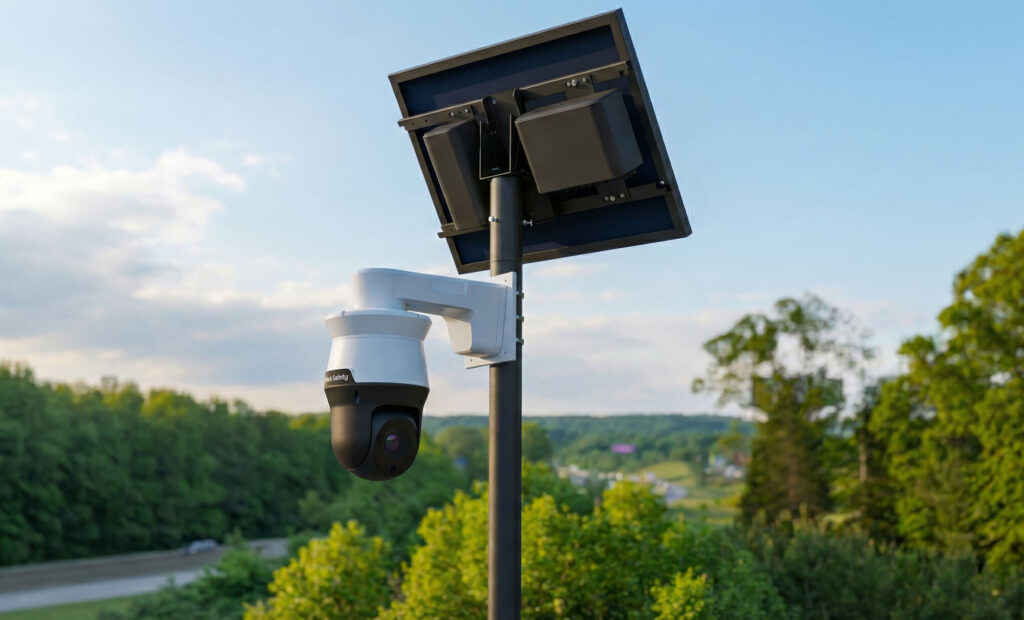
A federal circuit judge has found that monthlong warrantless tracking using automated license plate reader data was unconstitutional, according to reporting by Carscoops. The decision emerged from a major methamphetamine investigation in Oklahoma and could affect how investigators seek and use historical vehicle-location records.
Automated license plate reader systems capture number plates as vehicles pass cameras, creating records that can help establish where and when a vehicle was detected. The ruling draws a legal line around the prolonged use of that information when investigators have not obtained a warrant.
Why the decision matters
The case underlines the distinction between a single observation of a vehicle and a detailed picture built from repeated detections over time. A month of plate-reader records can potentially reveal patterns of movement, including regular routes, visits and travel associations.
The available report does not detail the full reach of the ruling or the next procedural steps. Its wider effect will depend on the court’s jurisdiction and on whether the decision is challenged or addressed by other courts. It does not by itself change the rules governing drivers or police authorities in Lithuania.
For drivers, the case is a reminder that number plates are increasingly part of digital transport infrastructure. Plate-recognition tools can support enforcement and investigations, but the Oklahoma ruling signals that courts may closely examine how long authorities retain and search data that traces a vehicle’s movements.