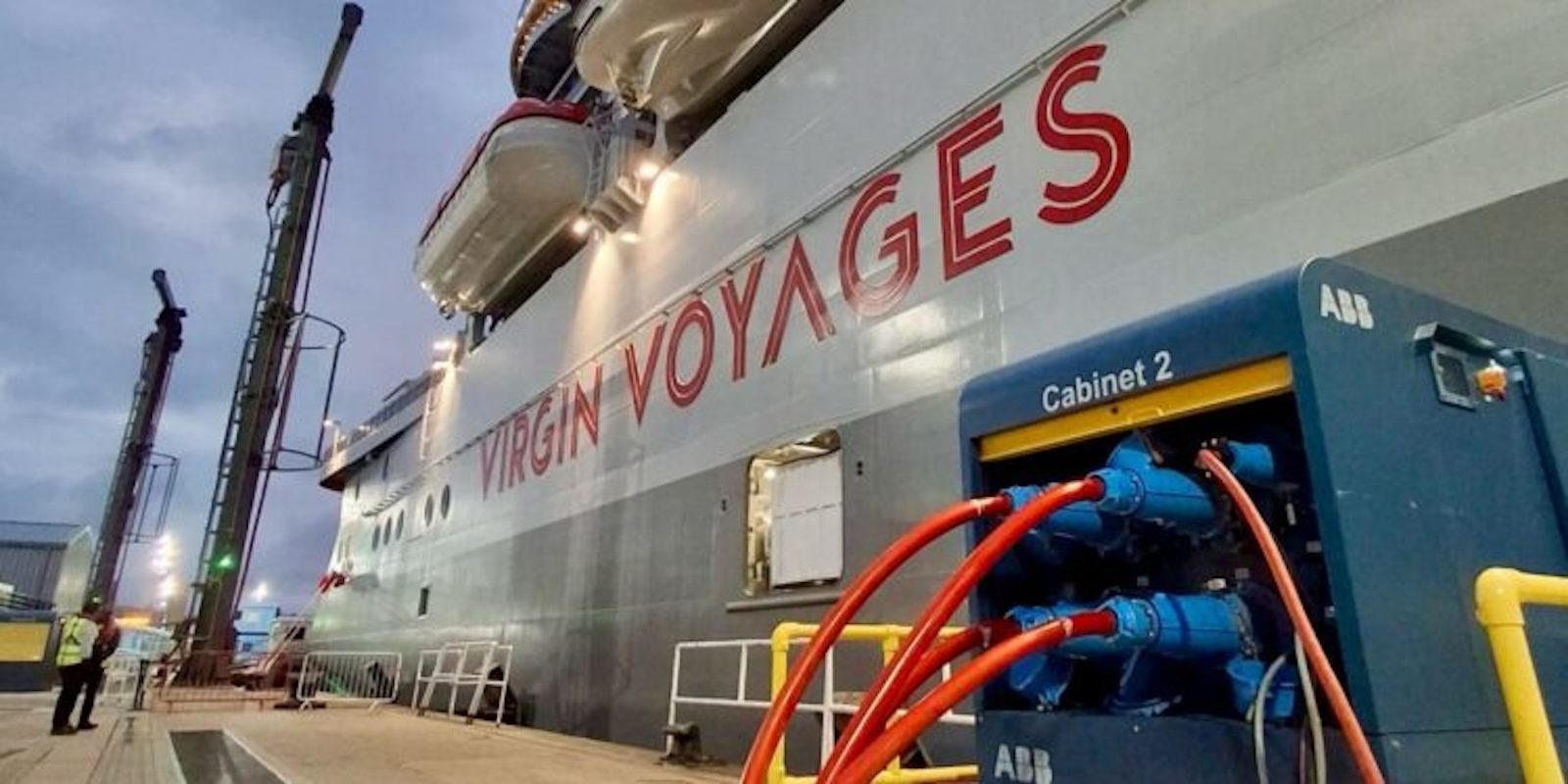
Portsmouth International Port has opened what is described as the UK’s first high-voltage, multi-berth shore-power system, enabling ships at the quay to draw electricity from the grid rather than run their own marine engines.
The change targets a major source of local port pollution: auxiliary generators that can continue operating while vessels are docked. Connecting to shore electricity can reduce emissions around terminals and lower fuel costs for ships, according to Electrek's report on the Portsmouth project.
But installing the equipment is only part of the challenge. The environmental benefit depends on vessels being technically able — and commercially willing — to use the connection during their calls. Without regular ship participation, a shore-power facility cannot deliver its full potential.
The issue has relevance for Baltic ports and for people travelling through them. Cleaner operations at berths can improve air quality near passenger terminals and waterfront areas, while wider adoption of electrified port infrastructure could support efforts to cut transport-related emissions beyond the road network.